A full navigation course — the last line ashore to the first line at the next port, in the order it really happens.
Most navigation training tells you what the rules say. Almost none of it tells you what the job feels like at the moment you have to do it — which order things happen in, what you write down and where, who you call and when, and what somebody checks when they step onto your bridge. Port to Port is that missing conversation, taught by a serving Second Officer.
8 lessons are free — these two play right here, all 8 in the app with a free account, no card. The rest unlock with Seaman Pro.
Tap a chapter to see its lessons. Chapter 03 is open — it holds two of the 8 free lessons; the others are marked ▶ Free.
 00
Introduction: How This Mentorship Works
›
Welcome aboard▶ Free
00
Introduction: How This Mentorship Works
›
Welcome aboard▶ Free The gap between the book and the bridge🔒
 How we will balance theory and practice🔒
 What to expect of yourself🔒
 01
Foundations: The Ground You Stand On
›
Who makes the rules🔒
01
Foundations: The Ground You Stand On
›
Who makes the rules🔒 The conventions that touch your watch🔒
 The ship's authority to sail🔒
 The SMS, your company's law🔒
 Publications, and what corrected really means🔒
 The Master, and the orders he writes down🔒
 So which one wins? — resolving conflicts🔒
 02
The Bridge and Your Instruments
›
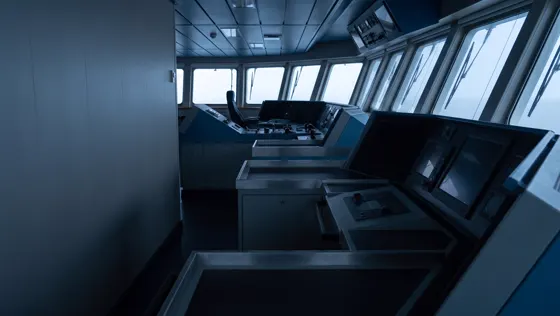
A tour of the bridge — where everything is and why it's there▶ Free
02
The Bridge and Your Instruments
›
A tour of the bridge — where everything is and why it's there▶ Free The compasses — gyro, magnetic, error, and the daily check🔒
 Radar and ARPA — what it sees, what it misses, how you set it up🔒
 ECDIS — the chart, the settings that matter, the alarms that save you🔒
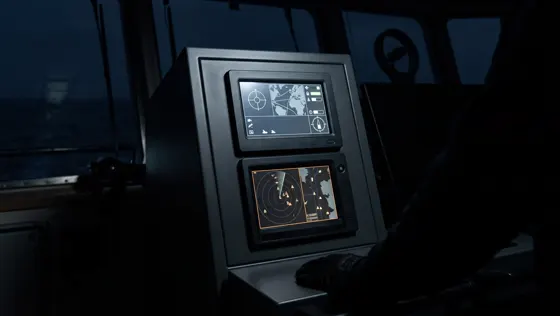 GNSS and AIS — position and identity, and how both lie🔒
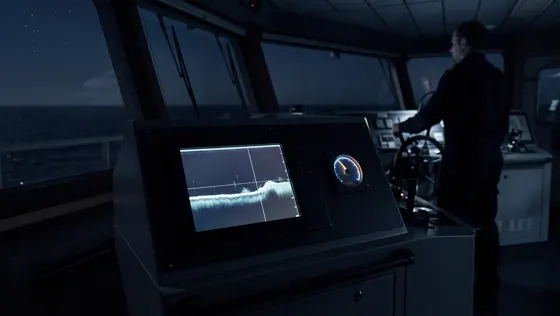 Echo sounder, speed log, and the numbers you trust🔒
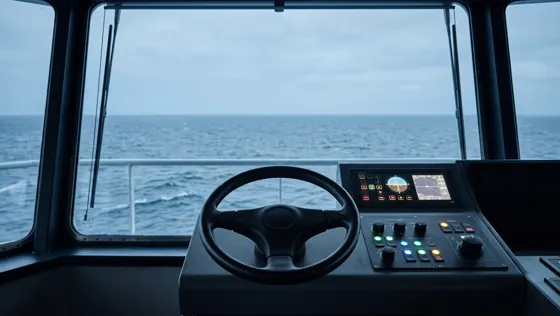 Steering — modes, autopilot, hand steering, and the changeover🔒
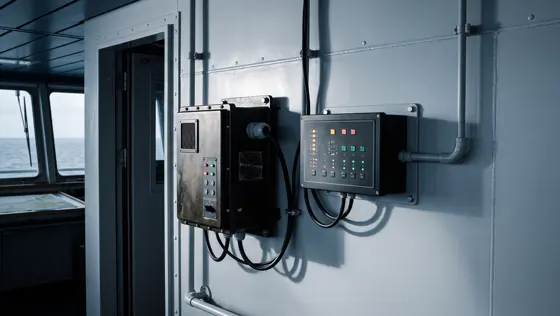 BNWAS, VDR and the recorders that watch you🔒
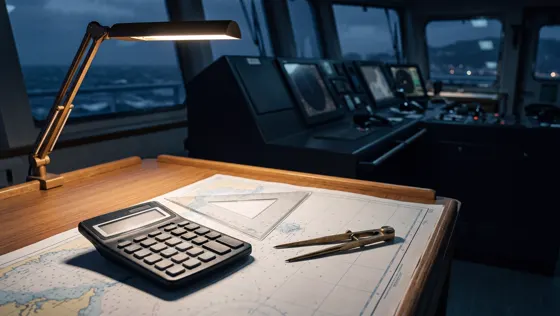 The tools that do the maths for you — and the ones that get you caught🔒
 03
How Your Ship Handles
›
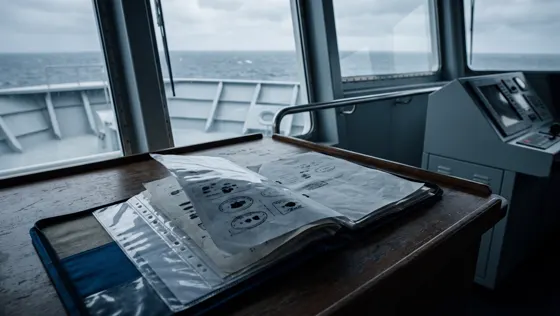
The three documents — pilot card, wheelhouse poster, manoeuvring booklet🔒
03
How Your Ship Handles
›
The three documents — pilot card, wheelhouse poster, manoeuvring booklet🔒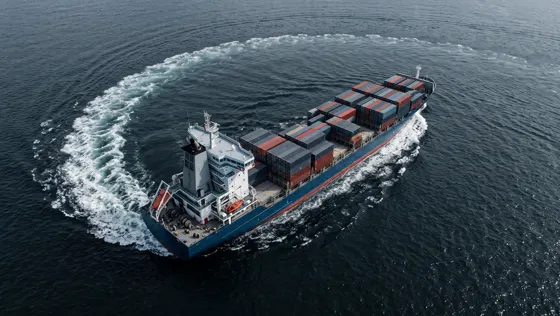 Turning circle — advance, transfer, tactical diameter, kick🔒
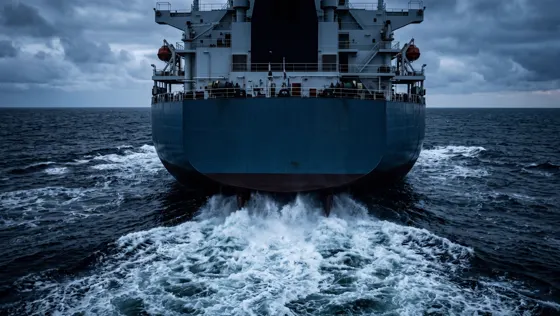 Stopping — crash stop, and the truth about "full astern"🔒
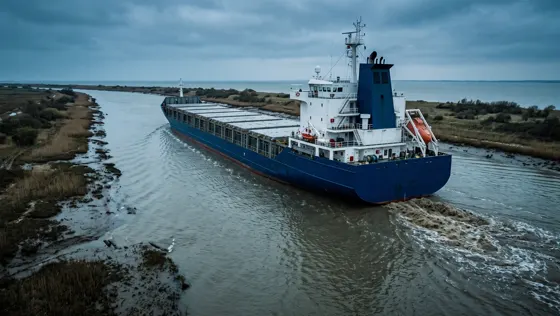 Shallow water, squat and interaction
▶ Free
Shallow water, squat and interaction
▶ Free Wind and current on the hull — and the help you have🔒
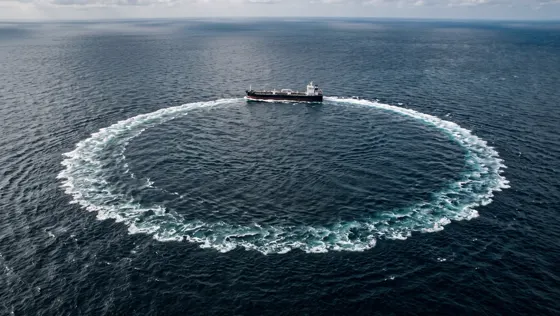 The emergency turns — Williamson, Anderson, Scharnov
▶ Free
The emergency turns — Williamson, Anderson, Scharnov
▶ Free 04
The Bridge Team
›
Who everyone is to you — Master, Chief Officer, pilot, AB, cadet🔒
04
The Bridge Team
›
Who everyone is to you — Master, Chief Officer, pilot, AB, cadet🔒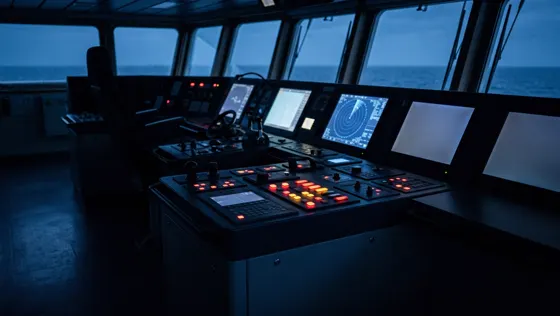 How accidents build — the error chain and situational awareness🔒
 Saying it out loud — closed-loop communication, challenge and response🔒
 Being new — asking, admitting, and being corrected in front of people🔒
 05
Preparation Prior Departure
›
Working backwards from last line — the departure timeline▶ Free
05
Preparation Prior Departure
›
Working backwards from last line — the departure timeline▶ Free The passage plan you were handed — reading it, checking it, loading it🔒
 Charts, ENC and publications corrected up to the day🔒
 Bridge equipment pre-departure tests🔒
 Steering gear tests — the one they always ask about🔒
 The pre-departure checklist — signing it honestly, and what "N/A" costs you🔒
 Draft, air draft and under-keel clearance — your sanity check🔒
 The Master–Pilot exchange — preparing the card🔒
 Squaring away — lights and shapes, flags, ETA and reports🔒
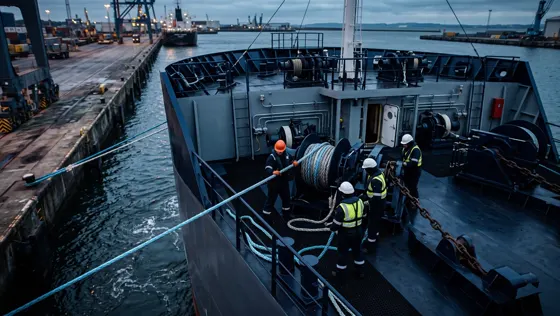 06
During Departure
›
Stations — who's where, and your job in them🔒
06
During Departure
›
Stations — who's where, and your job in them🔒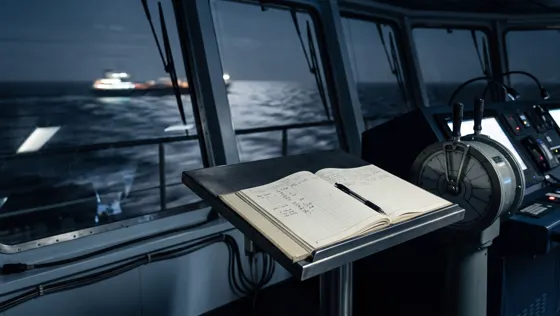 The bell book — what you write, when, in what words🔒
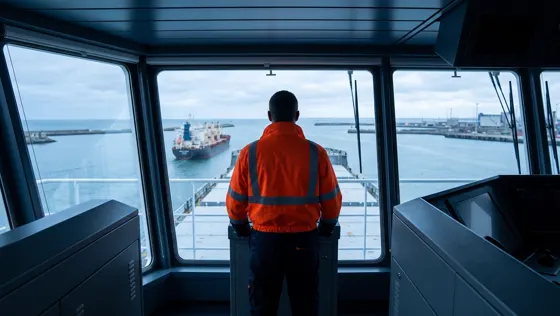 The pilot on your bridge — advice, the con, and monitoring🔒
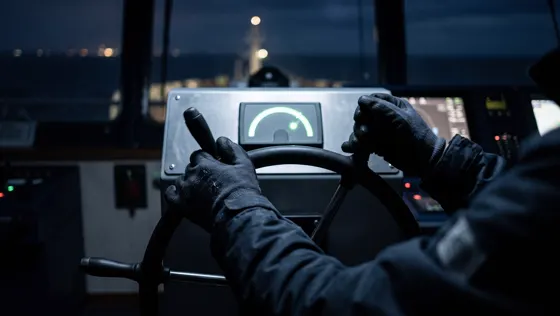 Helm orders — giving them, checking them, correcting them🔒
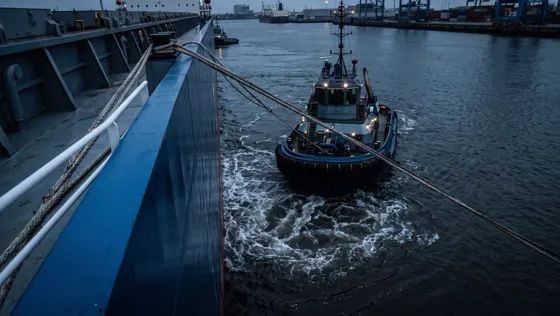 Tugs, lines, and the moments things go wrong🔒
 From stations to sea watch — the changeover and the log🔒
 07
Knowing Where You Are
›
What a fix actually is — and why one source is never enough🔒
07
Knowing Where You Are
›
What a fix actually is — and why one source is never enough🔒 Visual fixes — bearings, transits, and the ones you can take fast🔒
 Radar fixing and parallel indexing🔒
 GNSS — using it, cross-checking it, knowing when it's wrong🔒
 DR, EP, set and drift🔒
 Monitoring on ECDIS — XTD, safety contour, alarms, and the check cycle🔒
 08
The Bridge Watch: Coastal · Open Sea · Ocean
›
Taking over — the handover that protects you▶ Free
08
The Bridge Watch: Coastal · Open Sea · Ocean
›
Taking over — the handover that protects you▶ Free The watch you owe — STCW watchkeeping in plain language🔒
 The deck logbook — what you write, what you never write, how to correct it🔒
 The coastal watch — traffic, TSS, pilotage waters, close quarters🔒
 The open-sea watch — rhythm, routine checks, staying awake to it🔒
 The ocean watch and the noon report🔒
 The lookout — posting one, using one, managing an AB🔒
 Calling the Master — the threshold, the phone call, the words🔒
 Restricted visibility — what changes the moment it closes in🔒
 Night, fatigue and rest hours — the honest version🔒
 09
GMDSS for the OOW
›
What GMDSS is, in one lesson — sea areas, and why your ship carries what she carries▶ Free
09
GMDSS for the OOW
›
What GMDSS is, in one lesson — sea areas, and why your ship carries what she carries▶ Free The equipment on your bridge — what you touch, what you never touch🔒
 Sending a distress alert — the button, the words, the sequence🔒
 Receiving one — acknowledge, relay, and waking the Master🔒
 False alerts — how they happen, and how to cancel one properly🔒
 Tests, batteries and the radio log🔒
 NAVTEX, MSI, and talking on the radio — SMCP with VTS, pilot and port🔒
 10
Weather on Your Watch
›
Getting the weather — what reaches the bridge, and the routing services🔒
10
Weather on Your Watch
›
Getting the weather — what reaches the bridge, and the routing services🔒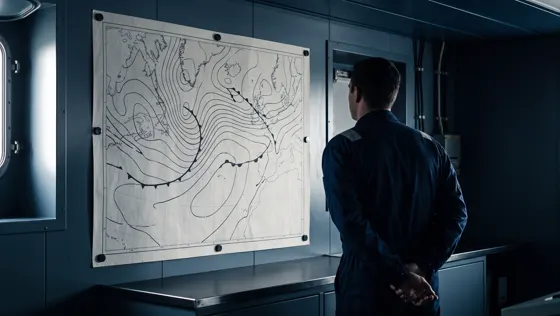 Reading the picture — what a synoptic chart tells a watchkeeper🔒
 Heavy weather and tropical revolving storms — precautions, avoidance, reporting🔒
 11
Emergencies on Your Watch
›
The first sixty seconds — what every emergency has in common▶ Free
11
Emergencies on Your Watch
›
The first sixty seconds — what every emergency has in common▶ Free Man overboard🔒
 Fire alarm🔒
 Blackout and steering failure🔒
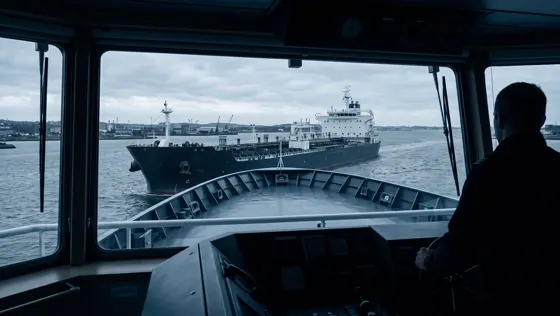 Collision, grounding and flooding🔒
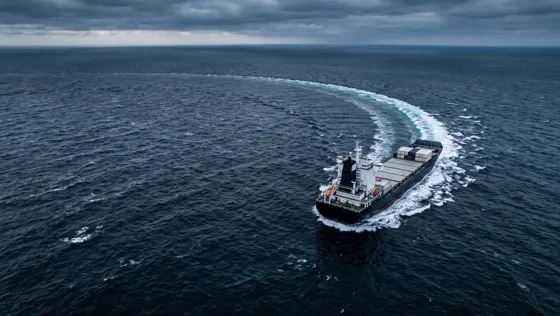 Distress received — the duty to assist, and what your ship can actually do🔒
 Medical emergency, and calling for help🔒
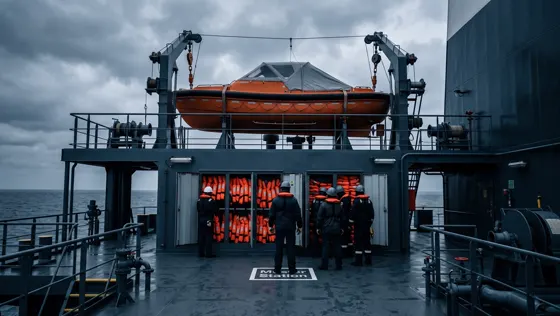 Muster and abandon ship — the bridge's part, and what leaves with youComing
 12
Anchoring and the Anchor Watch
›
Preparing to anchor — the plan, the brief, the checks🔒
12
Anchoring and the Anchor Watch
›
Preparing to anchor — the plan, the brief, the checks🔒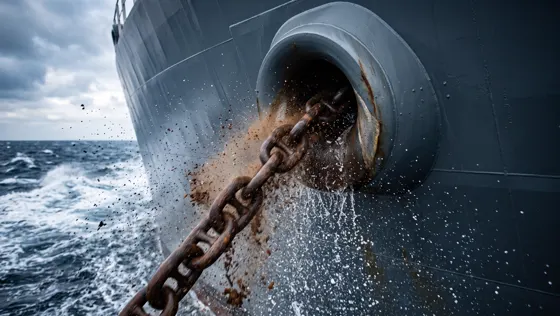 Letting go, and brought up — what you record🔒
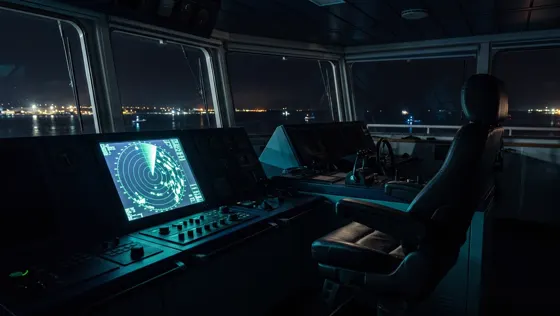 The anchor watch alone at night — dragging, swinging, traffic, and when to call🔒
 13
Arrival Preparation
›
Working backwards from the pilot station🔒
13
Arrival Preparation
›
Working backwards from the pilot station🔒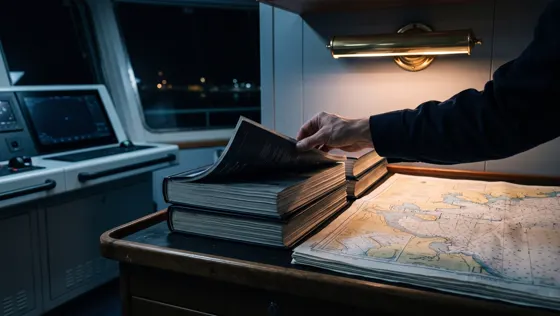 Arrival charts, berth information and port guides🔒
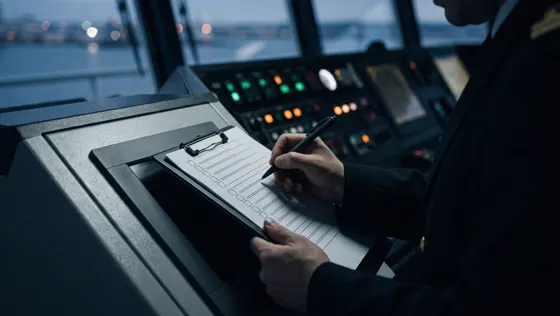 The arrival checklist and equipment tests🔒
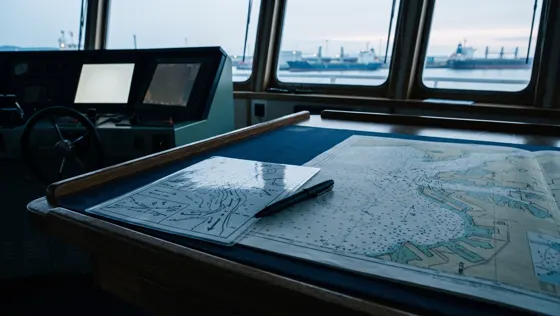 The Master–Pilot exchange, inbound🔒
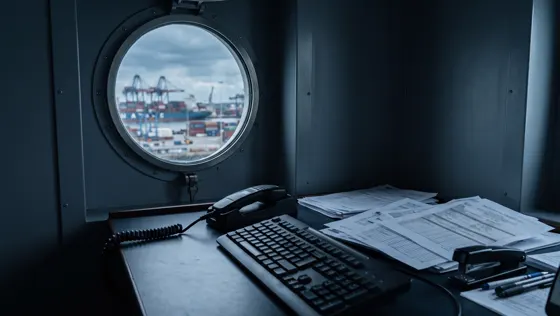 Pre-arrival reports and formalities — ETA, ISPS, pratique, agent🔒
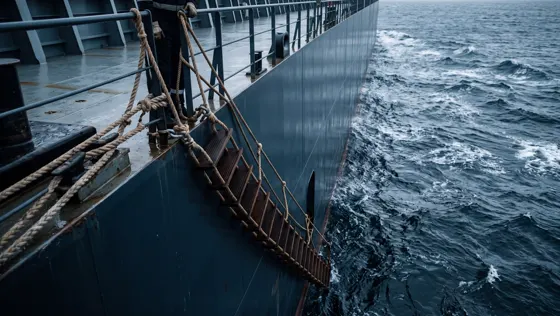 The pilot ladder — rigging it right, because this one kills people🔒
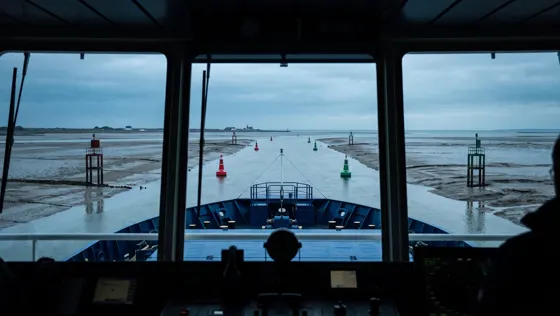 Under-keel clearance, tide, and the arrival window🔒
 14
Arrival: Pilot, Stations, Alongside
›
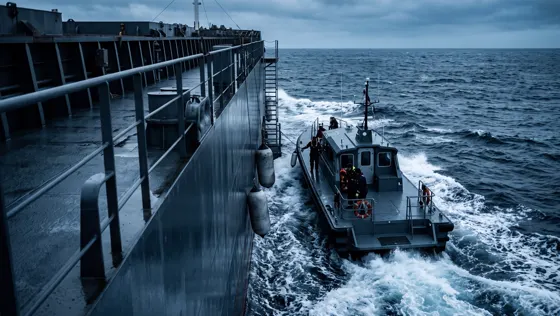
The approach and the pilot boarding🔒
14
Arrival: Pilot, Stations, Alongside
›
The approach and the pilot boarding🔒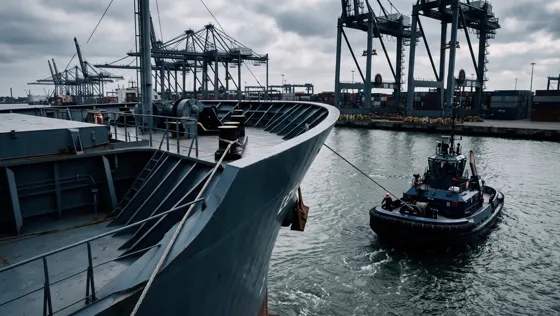 Stations, tugs, and the bell book again🔒
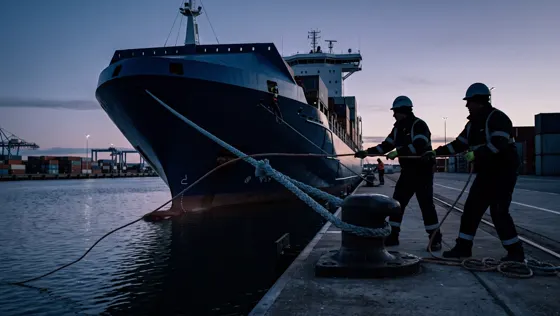 Alongside — first line to all fast🔒
 Closing the passage — logs, drafts, times, reports🔒
 Handing over to port routine🔒
 15
When They Come Aboard
›
Port State Control — what they check in your domain🔒
15
When They Come Aboard
›
Port State Control — what they check in your domain🔒 Talking to an inspector — what you say, what you don't, what you never guess🔒
 The internal ISM audit and the superintendent🔒
 Vetting — SIRE 2.0 and RightShip/DryBMS🔒
 Flag, class, and the certificate folder🔒
 When they find something — non-conformity, corrective action, and not panicking🔒
 LB
Bulk lane
›
Hold readiness and surveysComing
LB
Bulk lane
›
Hold readiness and surveysComing BLU Code and the loading planComing
 Draft survey and the deck watchComing
 Bulk-specific inspectionComing
 LT
Tanker lane
›
The ship–shore safety checklistComing
LT
Tanker lane
›
The ship–shore safety checklistComing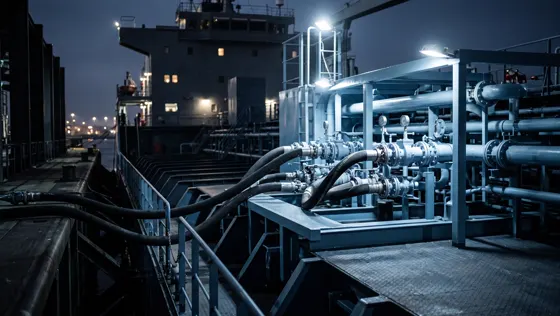 ISGOTT and the deck watch in portComing
 Inert gas and cargo-area rules that reach the bridgeComing
 SIRE 2.0 for the junior officerComing
 LC
Container lane
›
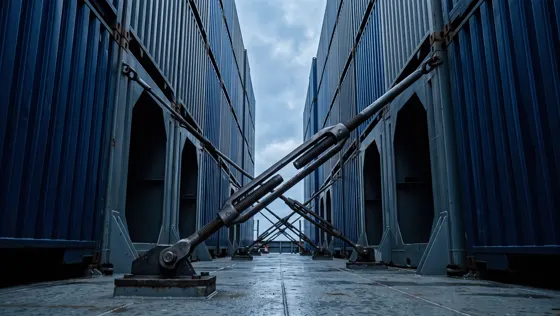
Lashing and securingComing
LC
Container lane
›
Lashing and securingComing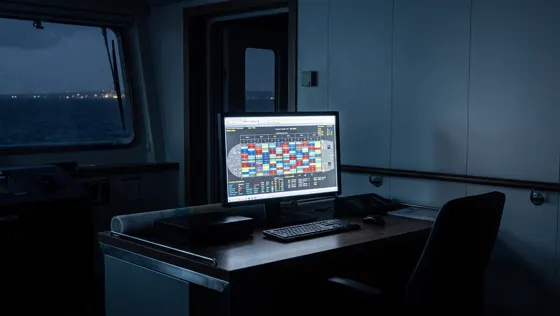 VGM and stowage informationComing
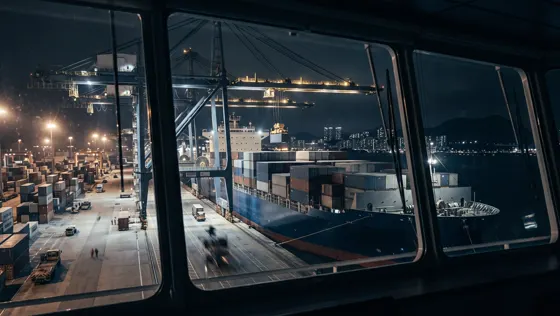 Deck watch and the box countComing
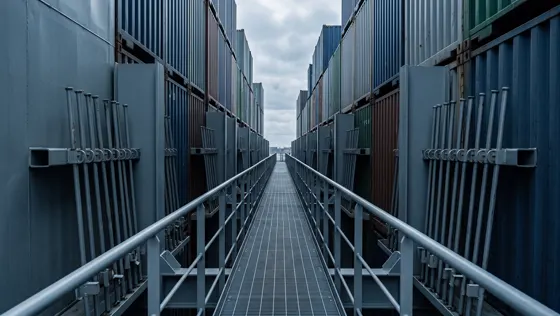 Container-specific inspectionComing
The three lanes at the end are the same voyage seen from your own deck — what changes when the cargo is grain, crude or boxes. Lessons marked in production are written and being filmed; they land in your account as each is finished.
You were taught the rules. You were never shown the watch.
The exams assume a conversation with a senior officer that, for most of us, never happened.
COLREGs and SOLAS are on your ship already. What is missing is what a competent officer does with them at 0345 in traffic.
Preparation, departure, the passage, the watch, arrival — the sequence you will live, not a syllabus sorted by subject.
Taught by a serving Second Officer, in the words a senior would actually use on the bridge wing.
Someone who stood the watch this contract — who knows what the Master will call you about at 0200, which alarm you will learn to ignore and why that is the dangerous one, and what a pilot expects to find when he steps onto your bridge.
Simplified Maritime has taught Filipino officers on Facebook for years, and the Navigators Club community is now more than 1,900 seafarers. Port to Port is that same voice, written down properly and filmed.
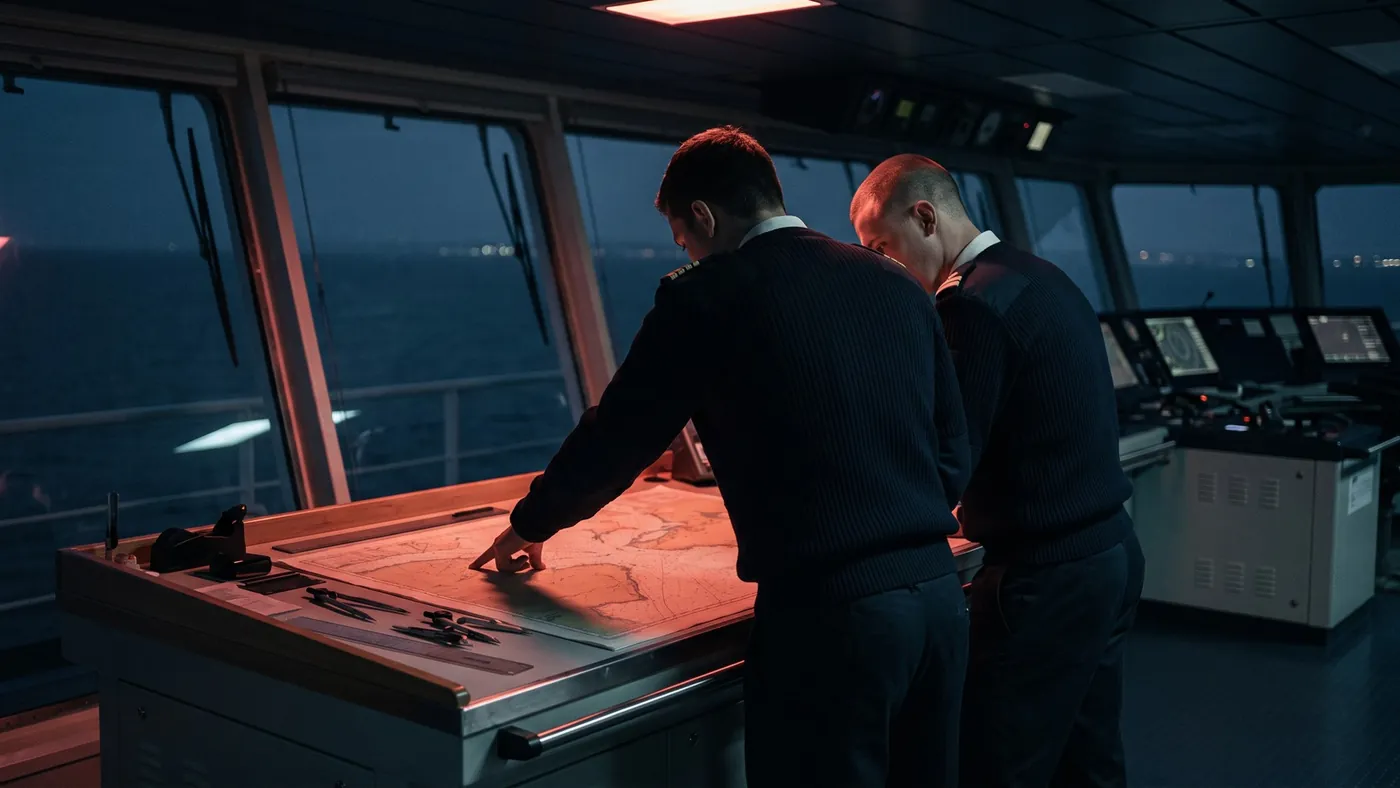
Most courses assume you are ashore on wifi. This one assumes you are three days off the coast with a satellite link you have been told not to waste.
Pull the chapters onto your phone alongside, then watch them mid-ocean with the data off. The whole app is offline-first.
The films are protected, so they play in the Seaman App on Android (or in Safari on an iPhone). The reading, handouts and your progress are also on the web at app.seamanapp.com — same account, same place in the course.
Yours for as long as you subscribe. Come back to the arrival chapter the night before you actually do one — that is when it means the most.
Port to Port is part of the Seaman Pro library, together with The Other Half. One subscription, both courses, and everything we add.
One monthly plan, cancel anytime. Subscribe in the Seaman App on Android — Google Play bills it, priced for your country.
No free trial — the 8 free lessons are the taster. Cancel any time.
Bought Port to Port before? Your access stays exactly as it was — open the course in the app.
Create a free Seaman App account and subscribe to Seaman Pro in the Android app — Google Play handles the payment.
Install the Seaman App on Android and sign in — that is where the videos play. On an iPhone, watch in Safari at app.seamanapp.com.
Start with the 99 lessons that are out. Download them in port and study them on passage, offline. The remaining chapters appear as they are finished.
99 of 112 lessons — about 13 h 8 min — are complete and watchable now: 16 of the 19 chapters, the whole voyage from the introduction to "When They Come Aboard". Only the 3 ship-type lanes (bulk, tanker, container) are still in production, and they appear in your account as they are finished.
One subscription for the English course library in the Seaman App: Port to Port, The Other Half, and every course we add. One monthly plan, cancel anytime. Subscribe in the Seaman App on Android — Google Play bills it, priced for your country. There is no free trial; the 8 free lessons on this course are the taster.
Not any more — Port to Port now comes with Seaman Pro, together with The Other Half and every course we add. If you bought it on its own before, nothing changes: your access stays exactly as it was.
Chapters are filmed and released in voyage order, and we publish each one when it is finished rather than promising a date we might miss. They appear in the app for every subscriber as they are finished.
No. It's honest peer-to-peer mentorship from a serving officer. It confers no certificate and no endorsement, and it doesn't replace your company's SMS or the officer teaching you onboard. It's the conversation the certificates assume you already had.
Yes. Download the videos in port on the Android app and watch them mid-ocean. The whole app is built offline-first for a ship's connection.
Entry to intermediate — cadets, new OOWs, and anyone who knows the theory but wants to know how the watch actually runs. There are dedicated lanes for bulk, tanker and container ships.
Subscribe to Seaman Pro in the Seaman App on Android — Google Play handles the payment. Your lessons unlock straight away.
 Seaman App